Is Spinal Fusion a Major Surgery? What Patients Should Know
Yes, spinal fusion is a major surgery. It is a surgical procedure that permanently joins two or more vertebrae in the spine to eliminate motion at a painful segment and stabilize the spinal column. Because it involves general anesthesia, bone grafts, and hardware like screws or rods, it carries the same weight and careful consideration as any other significant operation. That said, advances in surgical techniques have made this procedure safer and more effective than ever before.
Understanding what spinal fusion involves, why it may be recommended, and what recovery looks like can help you make informed decisions about your care.
TLDR
- Yes, spinal fusion is a major surgery that permanently joins two or more vertebrae using bone grafts and hardware to stabilize the spine and reduce pain.
- It is typically recommended when conservative treatments like physical therapy, injections, and medication management have not provided sufficient relief for conditions like degenerative disc disease or spinal instability.
- Recovery is gradual, with most patients returning to light activity within a few weeks and reaching full recovery in 6 to 12 months.
- Potential risks include infection, nerve damage, blood clots, and nonunion, but serious complications are uncommon when the procedure is performed by an experienced surgical team.
Take the Next Step Toward Relief
If chronic back pain is interfering with your daily life and you’re wondering whether spinal fusion may be the right option for you, Spine Team Pain Center is here to help. Our team of experienced surgeons and pain management specialists will evaluate your condition, explain your options, and create a treatment plan centered around your needs. Contact Spine Team Pain Center today to schedule a consultation and start your path toward lasting relief.
What Is the Spinal Fusion Procedure?
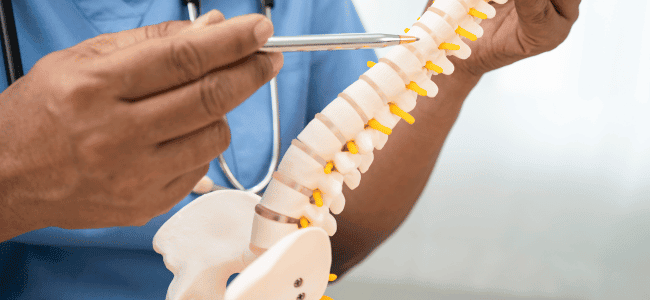
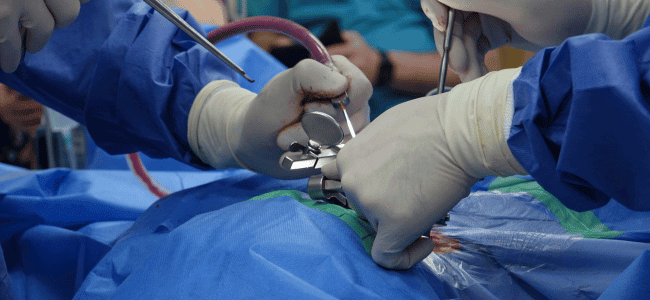
A spinal fusion procedure works by fusing two or more vertebrae together so they heal into a single, solid bone over time. Your spine surgeon places bone grafts between the affected vertebrae and may use metal plates, screws, or rods to hold everything in place while the bones heal together.
The surgery can take several hours depending on the number of levels being fused, the approach used, and the complexity of the underlying condition. According to the Mayo Clinic, spinal fusion is most commonly performed to address problems in the lumbar (lower back), cervical (neck), and sometimes thoracic (mid-back) regions of the spine.
There are several approaches a surgeon may use, including:
- Anterior approach (from the front of the body)
- Posterior approach (from the back)
- Lateral approach (from the side)
The best approach depends on the location of the problem, the patient’s anatomy, and the surgeon’s expertise. At Spine Team Pain Center, our surgical team includes a fellowship-trained orthopedic surgeon and a neurosurgeon specializing in minimally invasive techniques. You can learn more about our spine surgery services to understand the approaches we offer.
Why Would Someone Need Spinal Fusion Surgery?
A doctor may recommend fusion surgery when other treatments, such as physical therapy, medication management, or injections, have not provided adequate pain relief. Spinal fusion is typically considered after conservative options have been tried and the patient continues to experience severe pain or functional limitations.
Common conditions that may lead a patient to undergo spinal fusion surgery include:
- Degenerative disc disease – When spinal discs break down over time, causing pain and instability
- Spinal instability – When abnormal movement between vertebrae causes chronic back pain or nerve compression
- Spinal stenosis – Narrowing of the spinal canal that puts pressure on the spinal cord or spinal nerves
- Spondylolisthesis – When one vertebra slips forward over the one below it
- Fractures or injury – Trauma that damages the vertebrae and compromises spinal stability
- Spinal deformities – Conditions like scoliosis that affect alignment
The North American Spine Society notes that fusion is generally recommended when there is a clear structural problem causing pain and instability that can be addressed by eliminating motion at the affected segment.
If you’re exploring whether surgery is right for you, it may be helpful to find out if you’re a candidate for minimally invasive spine surgery, which can offer shorter recovery times and less tissue disruption.
What Are the Potential Risks and Complications?
Like any major surgery, spinal fusion comes with possible risks. Being in good health before the procedure and following your surgeon’s pre- and post-operative instructions can help reduce the likelihood of complications.
MedlinePlus, a resource from the National Institutes of Health, lists the following potential risks of spinal fusion:
- Infection at the surgical site
- Blood clots in the legs or lungs
- Nerve damage that may affect sensation or movement
- Nonunion (pseudarthrosis), where the bones fail to fuse properly
- Hardware failure, including loosened or broken screws or rods
- Spinal cord or spinal nerve injury
- Bleeding requiring transfusion
- Reaction to anesthesia
It is worth noting that serious complications are uncommon, and most patients go through the procedure without major issues. Your healthcare provider will review your personal risk factors, including age, weight, smoking status, and overall health, before recommending the procedure.
Nicotine use is one of the most significant risk factors for poor fusion outcomes. Smoking and vaping impair blood flow and bone healing, which can increase the chance of nonunion. Stopping nicotine use before surgery and throughout recovery is strongly encouraged.
What to Expect During Recovery
Recovery from spinal fusion is a gradual process. Your body needs time to heal, and the bones need months to fully fuse together. Here is a general timeline of what most people can expect:
Hospital Stay
Most patients remain in the hospital for 1 to 3 days after the procedure. During your hospital stay, a care team will help you manage discomfort with medicine and will likely encourage you to start walking with assistance shortly after surgery.
The First Few Weeks
The first few weeks of recovery are typically the most challenging. You may experience pain, stiffness, and fatigue as your body begins to heal. During this time:
- Avoid bending, twisting, and lifting heavy objects
- Take short, frequent walks to promote circulation
- You may need assistance with daily activities like bathing and dressing
- Follow all medication and wound care instructions from your healthcare professional
For a deeper look at what the post-operative period involves, read our guide on back surgery recovery time.
Returning to Normal Activities
According to the Mayo Clinic Health System, many patients can return to desk work within 6 to 8 weeks. Physically demanding jobs may require 3 to 6 months or longer. Full recovery, meaning the bones have completely fused, can take up to a year for some patients.
Physical therapy is an important part of the recovery process. A structured rehab program helps rebuild strength, improve flexibility, and support long-term spinal health. Your doctor will determine when it is safe to begin therapy, which is often within a few weeks after surgery.
How Long Does the Surgery Itself Take?
The length of the operation varies based on the number of levels fused and the surgical approach. If you’re curious about surgical timelines, our article on how long does a spine surgery take covers this in more detail.
Potential Benefits of Spinal Fusion
When conservative treatments have not been able to relieve pain, spinal fusion can provide meaningful improvement for the right patient. The potential benefits include:
- Pain reduction – Fusion can reduce pain by eliminating motion at the segment causing pain
- Spinal stability – The procedure helps stabilize the spine and prevent further damage
- Improved function – Many patients report improved ability to perform daily activities
- Nerve decompression – Fusion is often combined with decompression to relieve pressure on nerves, which can reduce symptoms like numbness, tingling, and radiating pain
Johns Hopkins Medicine explains that spinal fusion is most effective when there is a clearly identifiable source of pain and the patient has realistic expectations about outcomes.
It is important to understand that spinal fusion permanently reduces motion at the fused segment. This means that while the procedure can treat pain and improve stability, some degree of reduced flexibility in that area of the spine is expected.
Is Spinal Fusion Right for You?
Deciding whether to move forward with back surgery requires careful consideration of the potential benefits, potential risks, and your individual situation. A spinal fusion may be the right path if:
- You have chronic pain that has not responded to conservative treatments for several months
- Imaging studies clearly show a structural problem that fusion can address
- You are in good health and do not have conditions that significantly increase surgical risk
- You understand the recovery timeline and are prepared to commit to the healing process
This is not a decision that should be made lightly, and a thorough evaluation by a qualified spine surgeon or orthopedic surgeon is essential. At Spine Team Pain Center, we are the only group in Eastern Washington offering both interventional pain management and spinal surgery under one roof, which means your care team can explore every option before recommending a medical procedure like fusion.

Frequently Asked Questions
How long does it take to reach full recovery after spinal fusion?
Full recovery from spinal fusion varies from patient to patient. While most patients feel significant improvement within a few months, the bones can take 6 to 12 months to fully fuse and heal. Factors like the number of levels fused, your age, and overall health all affect the timeline. Committing to physical therapy and following your surgeon’s guidance are key steps toward the best possible outcome.
Can spinal fusion completely eliminate my back pain?
Spinal fusion is designed to reduce pain and stabilize the spine, but it does not guarantee complete pain elimination. The goal of the procedure is to address the structural issue causing pain. Most people experience meaningful improvement in their symptoms, but some degree of discomfort may remain. Your healthcare professional can help set realistic expectations based on your specific condition.
What happens if I don’t get spinal fusion when it’s recommended?
If a healthcare provider has recommended fusion and you choose not to proceed, the underlying condition may continue to worsen over time. This could lead to increased chronic pain, further spinal instability, or progressive nerve damage. Discussing all of your options with your doctor, including non-surgical approaches to treat pain, is important so you can weigh the risks of both action and inaction.
Are there alternatives to spinal fusion I should consider first?
Yes. Before recommending fusion surgery, most spine specialists will suggest trying other treatments first. These may include physical therapy, epidural steroid injections, medication management, radiofrequency ablation, and lifestyle modifications. Many patients find adequate pain relief through these conservative methods. Spinal surgery is typically reserved for cases where non-surgical options have failed to provide lasting results.
How do I know if my pain is severe enough to need surgery?
There is no single threshold that determines when surgery is necessary. If your severe pain limits your ability to work, sleep, or perform daily tasks and has not improved with conservative treatment over several months, it may be time to consult with a spine surgeon. Diagnostic imaging and a thorough physical exam can help identify whether there is a structural problem that surgery can correct.
Does spinal fusion affect my ability to move normally?
Spinal fusion does permanently reduce motion at the fused segment of the spine. For single-level fusions, most patients notice minimal change in their overall range of motion. Multi-level fusions may have a more noticeable affect on flexibility. Your body compensates over time, and physical therapy can help you maintain strength and mobility in the surrounding areas.