What to Expect After Radiofrequency Ablation: A Complete Recovery Guide
If you’re scheduled for a radiofrequency ablation procedure or recently had one, you likely have questions about recovery. Understanding what to expect after radiofrequency ablation can help you feel more prepared, recognize what’s normal, and know when to reach out to your care team. This guide walks you through the full recovery timeline, from the first hours after the procedure to the weeks and months ahead.
TLDR
- Radiofrequency ablation is a minimally invasive procedure that uses heat to disrupt nerves responsible for carrying pain signals from spinal joints, and mild soreness or temporary pain flares in the first one to three weeks are a normal part of recovery.
- Meaningful pain relief typically develops within two to six weeks, and results can last six to twelve months or longer before nerve regeneration may cause pain to gradually return.
- Staying gently active, attending follow-up appointments, and working with your care team on a physical therapy and rehabilitation plan are key to getting the most out of the procedure.
- If the initial procedure provides relief, it can be repeated when pain returns, making radiofrequency ablation a sustainable part of a long-term pain management strategy.
Ready to Find Out If Radiofrequency Ablation Is Right for You?
Living with chronic pain affects every part of your life, from sleep to work to the activities you enjoy most. If you’ve been dealing with persistent back or neck pain and are looking for a treatment option that can reduce pain and help you get back to the things that matter, our team is here to help.
At Spine Team Pain Center, we specialize in both interventional pain management and spine surgery, giving you access to a full range of treatment options under one roof. Our physicians will work with you to determine the source of your pain and build a treatment plan that fits your needs.
Contact Spine Team Pain Center today to schedule a consultation and take the next step toward relief.
How Radiofrequency Ablation Works
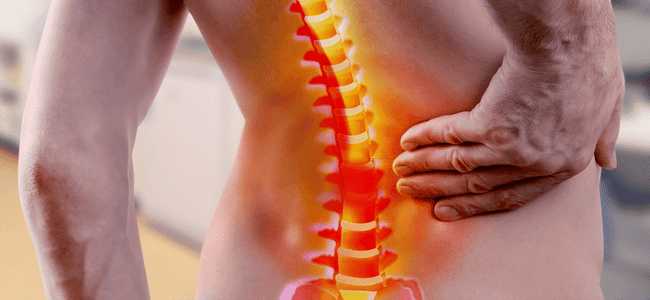
Radiofrequency ablation is a minimally invasive procedure used to reduce pain caused by damaged or inflamed spinal joints. During the procedure, your physician uses fluoroscopic (X-ray) guidance to position a thin needle near the targeted nerves responsible for sending pain signals from the affected joint to the brain. Radiofrequency energy, delivered through radio waves, heats the nerve tissue and creates a small lesion that disrupts the nerve’s ability to transmit pain.
This nerve ablation procedure is most commonly used for facet joint pain in the lower back or cervical spine, though it can also address pain originating from other spinal joints. The goal is not to cure the underlying joint condition but to interrupt the pain pathway and provide significant relief so you can return to daily life and participate more fully in rehabilitation.
Before the procedure, your physician will typically perform a medial branch block or similar diagnostic block to confirm that the medial branch nerves near the affected joint are the source of your pain. A positive response to this test, meaning significant but temporary pain reduction, indicates that a nerve ablation targeting those same nerves has a strong chance of providing longer-lasting relief.
What Happens During the Procedure
Understanding the procedure itself helps set the stage for what recovery will look like. On the day of your radiofrequency ablation treatment, you’ll arrive at an outpatient facility and be positioned face-down on a procedure table. Your care team will clean the treatment site and administer a local anesthetic to numb the skin and deeper tissues.
Using real-time imaging, your physician will guide the thin needle to the correct position near the medial branch nerves or other targeted nerves. Before applying the radiofrequency energy, sensory and motor stimulation tests are performed through the needle to confirm accurate placement and to make sure nearby nerves that control muscle movement are not at risk. Once positioning is verified, the nerve tissue is heated for approximately 60 to 90 seconds per lesion. Many patients receive mild sedation to stay comfortable throughout the process.
The entire radiofrequency ablation procedure typically takes between 20 and 60 minutes, depending on how many levels are being treated. Because it is a minimally invasive procedure, you’ll go home the same day.
The First 48 Hours After Your Procedure
Soreness at the Procedure Site
In the first one to two days, mild soreness at the injection site and around the treated area is completely normal. Patients describe this discomfort as similar to a deep bruise or a muscle strain. You may also notice some swelling or tenderness over the procedure site. A burning sensation in the skin near the treated area is also common and is caused by minor irritation of superficial nerve fibers during the heating process.
Because a local anesthetic is used during the procedure, you may experience temporary numbness around the injection site for the first few hours after you get home. This typically fades as the anesthetic wears off.
Activity Restrictions
Once the mild sedation wears off, you should still take it easy for the rest of the day. Avoid heavy lifting, vigorous exercise, and prolonged bending or twisting. You should not drive, operate machinery, or make important decisions for the first 24 hours after receiving sedation. Having someone stay with you for the first evening is recommended.
That said, gentle movement is encouraged. Short walks around your home help maintain circulation and prevent stiffness. You can typically resume normal activities like light housework and desk work within one to two days, as long as your comfort allows.
Managing Early Discomfort
To manage the mild soreness during the first 48 hours:
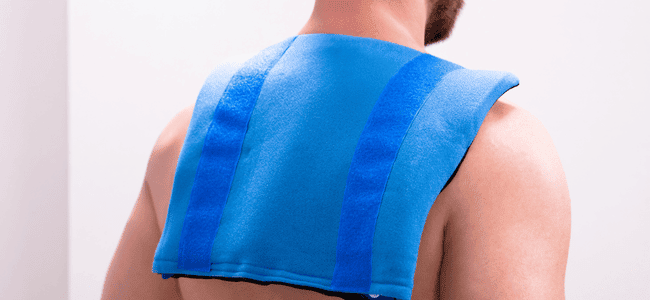
- Apply ice packs to the treated area for 15 to 20 minutes at a time, several times a day.
- Take over-the-counter pain medication such as Acetaminophen or Ibuprofen, unless your doctor has advised otherwise.
- Avoid soaking in baths, hot tubs, or pools for 48 hours to reduce infection risk.
- Keep the small bandages over the needle entry points clean and dry for the first day.
Your care team will provide specific discharge instructions, including what level of discomfort is considered normal versus what should prompt a phone call.
The First Two to Three Weeks: What to Expect
Temporary Pain Flares
One of the most important things to understand about early recovery is that many patients experience a temporary increase in pain during the first one to two weeks. This is a normal part of the healing process. The radiofrequency energy creates a controlled injury to the nerve, and the surrounding muscle spasms, inflammation, and tissue irritation can temporarily make your pain feel worse before it gets better.
Some people notice a sunburn-like burning sensation over the treated area during this time. According to Healthline, this kind of post-procedure flare is a well-documented and expected response that typically resolves within one to three weeks. If you experience this, ice, gentle movement, and over-the-counter analgesics are usually enough to keep you comfortable.
When Pain Relief Begins
The onset of meaningful pain relief varies from person to person. Some people notice improvement within a few days once the initial flare settles. For others, it may take two to three weeks. According to the Cleveland Clinic, the full effect of the procedure can take anywhere from two to six weeks to develop, reflecting the time needed for the treated nerves to fully stop conducting pain signals and for local inflammation to resolve.
This delayed timeline means you should avoid judging the outcome too early. A lack of improvement at one week does not mean the procedure has failed. Tracking your pain levels and your ability to perform daily tasks over several weeks gives a much clearer picture of how well the procedure is working.
Returning to Physical Activity
During this phase, a gradual return to activity is encouraged. You can typically resume driving within 24 to 48 hours if you are not taking sedating medications and feel comfortable controlling a vehicle. Light walking, gentle stretching, and basic daily tasks can continue as tolerated. Most providers recommend avoiding strenuous exercise, contact sports, and repetitive heavy lifting for about two weeks, though your doctor may adjust this based on your specific situation.
This is also a good time to begin working physical therapy back into your routine. As your pain decreases, physical therapy can help you rebuild core strength, improve flexibility, and correct movement patterns that may have developed as a result of chronic pain.
Intermediate Recovery: Weeks 3 Through 12
Gradual Improvement in Pain and Function
For patients who respond well to the procedure, the weeks following the initial recovery phase bring gradual improvement in both pain levels and daily function. As the treated nerves fully lose their ability to carry pain signals, the background pain that had been limiting your activity begins to ease. Many patients report being able to walk farther, sit or stand longer, sleep better, and reduce pain medication during this period.
A meta-analysis published in the National Library of Medicine found that patients who underwent radiofrequency ablation had significantly lower pain scores at three and six months compared to those who received steroid injections alone. This research also noted that success is often defined as achieving a 50% or greater reduction in pain intensity, which is a realistic benchmark to keep in mind as you evaluate your own progress.
Building a Recovery Plan
This intermediate phase is the ideal time to focus on your overall recovery plan and long-term treatment plan. With less pain acting as a barrier, you can engage more effectively in rehabilitation and strengthening programs. Your care team may recommend:
- Continued physical therapy focused on core stabilization, posture, and flexibility
- Gentle stretching and low-impact cardiovascular exercise
- Ergonomic adjustments at home or work
- Medication management to taper any pain medications you may have been using before the procedure
The goal during this phase is to take full advantage of the pain reduction window. By strengthening the muscles that support your spine and improving your movement habits, you can help maintain your results even after nerve function begins to return.
Your Follow-Up Appointment
Most providers schedule a follow-up appointment about two to four weeks after the procedure, with additional check-ins at one to three months. At these visits, your physician will assess your pain levels, functional improvements, and any side effects. This is the time to discuss how the procedure is working for you and whether any adjustments to your treatment plan are needed.
If you are experiencing significant pain reduction and improved function, your care team will likely encourage you to continue building on those gains through active rehabilitation. If your results are less than expected, your physician may reassess whether other pain generators, such as a disc or the sacroiliac joint, could be contributing to your symptoms and recommend additional evaluation.
How Long Does Relief Last?
One of the most common questions about radiofrequency ablation is how long the results will last. Because the procedure disrupts nerve function rather than permanently destroying the nerve, the treated nerves will eventually regenerate. This process typically takes six to twelve months, though it varies from person to person.
During this regeneration period, many patients enjoy significant pain reduction and improved quality of life. As the nerves regrow and begin sending pain signals again, your original pain may gradually return. This does not mean the procedure failed. It simply reflects the natural biology of nerve healing.
The good news is that if the initial procedure provided meaningful relief, radiofrequency neurotomy can typically be repeated. Research published in the National Library of Medicine supports that repeat procedures can provide similar levels of pain relief as the first, making this a viable long-term strategy within a broader interventional pain management approach.
When to Contact Your Doctor
While serious complications from radiofrequency ablation are rare, it’s important to know which symptoms fall outside the range of normal recovery and require medical attention. Contact your care team if you experience:
- Severe pain that does not respond to medication and continues to worsen beyond the first two weeks
- Signs of infection at the procedure site, including increasing redness, warmth, swelling, drainage, or fever
- New or progressive weakness in your arms or legs
- Loss of bowel or bladder control
- Numbness that spreads well beyond the expected area around the treatment site
Mild to moderate soreness, temporary pain flares, and localized sensitivity are all expected parts of recovery. But if something feels significantly off or your symptoms are not improving at all after several weeks, your physician can evaluate for less common issues, such as prolonged nerve irritation, and adjust your care accordingly.

Tips for a Smooth Recovery
Here are practical steps you can take to support your healing process and get the most out of your procedure:
- Follow your doctor’s post-procedure instructions carefully, especially regarding activity restrictions in the first 48 hours.
- Use ice packs consistently during the first few days to reduce pain and swelling at the treatment site.
- Stay gently active. Walking and light movement help prevent stiffness and support circulation.
- Track your pain levels and functional abilities week by week rather than day by day, so you can recognize gradual improvement over time.
- Attend all scheduled follow-up appointments to ensure your recovery is on track.
- Work with your care team to create a recovery plan that includes physical therapy and strengthening exercises once your initial soreness resolves.
- Be patient with the process. It can take several weeks for the full benefits of the procedure to develop.
Frequently Asked Questions
Can radiofrequency ablation help with sacroiliac joint pain?
Yes. Radiofrequency ablation is frequently used to treat sacroiliac joint pain that has not responded to conservative treatments. The procedure targets the lateral sacral branch nerves that carry pain signals from the sacroiliac joint. A systematic review published by the National Institutes of Health found evidence supporting the use of radiofrequency ablation for sacroiliac joint pain with benefits lasting up to one year. If you are dealing with persistent sacroiliac joint pain, a sacroiliac joint injection or diagnostic block can help determine whether you are a candidate for this procedure.
Is radiofrequency ablation also called radiofrequency neurotomy?
Yes. The procedure goes by several names. It is also called radiofrequency neurotomy, radiofrequency denervation, or rhizotomy. These terms all refer to the same concept: using controlled heat to disrupt specific nerves so they can no longer transmit pain. Your physician may use any of these terms interchangeably when discussing your treatment options.
What happens when pain returns after the nerves regenerate?
When pain returns after the initial period of relief, it usually means the treated nerves have regenerated and resumed carrying pain signals to the brain. This is a natural part of the process and does not indicate that anything went wrong. For patients suffering from ongoing facet joint or sacroiliac joint conditions, repeat treatments are a well-established option. Many patients go through multiple rounds of ablation over the years as part of a long-term pain management strategy, and studies show that subsequent procedures can provide lasting relief comparable to the first.
Will I need imaging tests before the procedure?
In most cases, imaging tests such as X-rays or MRIs may be reviewed as part of the diagnostic workup, but the most important pre-procedure step is typically a diagnostic block. This involves injecting a local anesthetic near a particular nerve to see if temporarily blocking it reduces your pain. If the block provides significant relief, it confirms that the nerve in question is contributing to your symptoms, and your physician can move forward with ablation to target that same nerve for longer-term results.
How does radiofrequency ablation compare to steroid injections and other treatments?
Steroid injections, such as pain relief injections, can be effective for short-term pain reduction, but their effects often fade within weeks to a few months. Radiofrequency ablation tends to provide a longer duration of benefit, with many patients experiencing six to twelve months of relief or more. For patients suffering from chronic neck or back pain who have tried other treatments without lasting success, radiofrequency ablation offers a meaningful step up in durability without the risks and recovery time associated with surgery.
Can radiofrequency ablation treat chronic neck pain?
Yes. Radiofrequency ablation is commonly used to treat chronic neck pain caused by facet joints in the cervical spine. The procedure targets the specific nerves responsible for carrying pain signals from the affected cervical facet joints. If you are experiencing persistent neck pain, your physician may recommend a diagnostic block to determine if facet joint dysfunction is the source. If the block confirms the diagnosis, ablation can help reduce pain and improve your ability to move comfortably. Your recovery journey after cervical radiofrequency ablation follows a similar timeline, though your doctor may recommend more conservative return-to-activity guidelines given the sensitivity of the neck area. Incorporating physical therapy sessions and strengthening exercises into your care can help you maintain your results and support long-term function. While nerve injury is a rare risk with any ablation, the procedure has a strong safety profile when performed by experienced physicians.