Spinal Stenosis Exercises to Avoid: What Can Make Your Pain Worse
Spinal stenosis narrows the spaces within your spine, putting pressure on the spinal cord and spinal nerves that travel through those openings. This can cause leg pain, numbness, tingling, and weakness that disrupts your daily life. While staying active is an important part of managing spinal stenosis, the wrong exercises can make your condition significantly worse.
This guide breaks down which movements and exercises you should avoid, why they’re harmful, and what safer alternatives can help you reduce pain and protect your spine.
TLDR
- Avoid exercises that extend or arch your back (cobra pose, prone back extensions, standing back bends), high-impact activities (running, jumping), heavy axial lifting (barbell squats, deadlifts, leg press machine), and problematic stretches (toe touches, full sit-ups, straight-leg raises) — these can narrow the spinal canal and worsen nerve compression.
- Choose low-impact alternatives like stationary cycling, swimming, aquatic therapy, and gentle stretching that keep your spine in a neutral or slightly flexed position.
- Strengthen your core safely with pelvic tilts, bird dog exercises, dead bug progressions, and modified planks to provide better spinal support without aggravating your condition.
- Work with a physical therapist to build a personalized exercise plan based on your specific type of stenosis, symptom patterns, and goals — and seek immediate medical attention if you experience sudden weakness, numbness, or loss of bladder/bowel control.
Take the Next Step Toward Relief
If you’re living with spinal stenosis and are unsure which exercises are safe for your specific condition, the team at Spine Team Pain Center in Spokane, WA, is here to help. We offer comprehensive care that includes physical therapy, pain relief injections, and spine surgery — all under one roof. Our specialists can evaluate your condition, identify what’s causing your pain, and build a treatment plan that helps you stay active without making things worse.
Contact Spine Team Pain Center today to schedule an appointment and start your path toward better pain management.
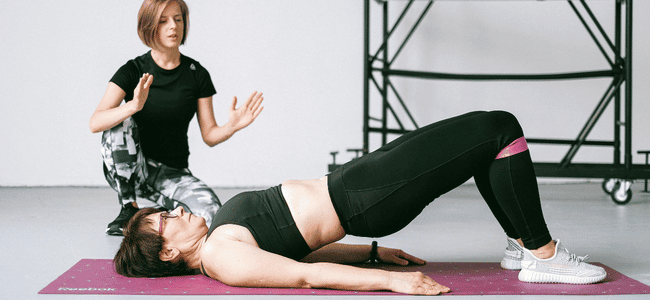
What Happens During Spinal Stenosis and Why Exercise Matters
Spinal stenosis occurs when the spinal canal narrows due to age-related degeneration, bone spurs, thickened ligaments, or bulging spinal discs. This narrowing crowds the nerve roots and compressed nerves, leading to pain, numbness, and weakness — particularly in the lower back and legs.
According to Harvard Health’s overview of spinal stenosis treatment, pain in the lower back or neck tends to get worse when the spine is straight or extended and often improves when leaning forward or sitting. This positional relationship between your spine and your symptoms is the key reason why certain exercises are dangerous, and others are helpful.
Physical activity plays an important role in maintaining spinal health and supporting the structures around your spine. But not all exercises are created equal when you have stenosis. Movements that narrow the spinal canal further or place excessive stress on already compromised spinal structures can worsen symptoms, increase nerve compression, and potentially cause lasting damage.
Exercises That Can Make Spinal Stenosis Worse
Back Extension and Hyperextension Movements
Extension exercises that arch your back are among the most common ways to make spinal stenosis worse. When you extend your lumbar spine backward, the spinal canal narrows, the ligaments buckle inward, and the space around your nerve roots shrinks. This can cause a sharp spike in back pain and radiating leg symptoms.
Exercises to avoid in this category include:
- Cobra pose — Lying face down and pressing your chest up forces the lumbar region into deep extension, directly closing the spinal canal
- Prone back extensions — Lifting your chest off the floor while lying face down has the same canal-narrowing effect
- Superman exercise — Simultaneously lifting your arms and legs while face down places your spine in an extended position under load
- Standing back bends — Leaning backward while standing compresses the posterior elements of the spine and can aggravate symptoms quickly
Even movements that seem mild, like looking up at the ceiling for extended periods or reaching overhead repeatedly, can put your spine in enough extension to worsen stenosis symptoms.
High-Impact Activities
High-impact activities send repetitive shock waves through your spine with every foot strike or landing. For someone with lumbar spinal stenosis, these jarring forces inflame already irritated spinal joints, increase swelling around nerve roots, and can make symptoms worse over time.
Activities to avoid or significantly modify include:
- Running on pavement — Repetitive ground-reaction forces travel up through your vertebral column
- Jumping and plyometric training — Each landing compresses your spine under high force
- High-impact aerobics — Repeated bouncing and jumping stress spinal structures
- Contact sports (football, rugby, basketball) — Combine impact with sudden direction changes and collision forces
According to Spine-health’s recommendations for lumbar stenosis exercises, transitioning to lower-impact alternatives like swimming, stationary cycling, or elliptical machines can help you maintain cardiovascular fitness without the spinal pounding.
Heavy Lifting With Axial Loading
Heavy lifting places a significant compressive force on your spine. When you add a loaded barbell across your shoulders or pull heavy weight from the floor, the axial compression can push disc material into the spinal canal and increase pressure on spinal joints that are already narrowed.
Specific exercises to be cautious about:
- Barbell squats — Heavy weight on your shoulders, combined with spinal flexion and extension under load
- Deadlifts — Pulling heavy weight with a rounded back is particularly dangerous, but even proper form places a substantial compressive load on the lumbar spine
- Leg press machine — Transmits high forces through the lumbar spine while you’re positioned in partial flexion
- Overhead press — Loads the spine axially while often pushing the back into extension
The issue isn’t just the weight itself. Lifting with poor posture or a rounded back increases the risk of pushing disc material into already tight spaces, which can increase nerve compression and cause increased pain or new neurological symptoms.
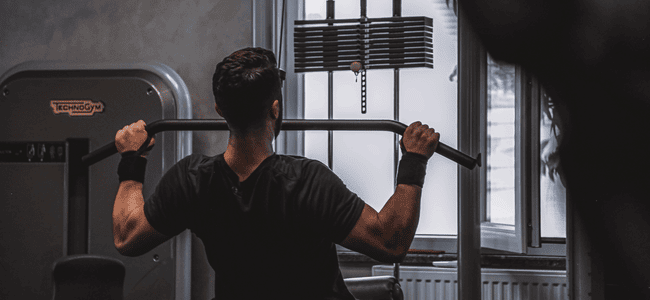
Problematic Core and Stretching Exercises
Several commonly recommended core exercises and stretches can actually worsen spinal stenosis because they place the spine in extreme positions or tension the nerves:
- Toe touches — Deep forward bending with a rounded back compresses the anterior disc and places unnecessary pressure on the lumbar spine
- Full sit-ups — Generate significant shear force across lumbar segments and heavily recruit the hip flexors, which can pull on the lumbar spine
- Straight-leg raises — Tension the sciatic nerve and lumbar nerve roots while loading the lower back
- Double leg lifts — Force the lumbar spine into extension under the weight of both legs, placing excessive strain on the lower back
Even certain yoga poses that are generally considered safe can be problematic. Deep forward folds, aggressive spinal twists, and inversions like headstands can compress the spinal canal and worsen stenosis symptoms.
Prolonged Walking Without Breaks
This one surprises many people. Walking is typically considered a low-impact, healthy activity, but for people with lumbar stenosis, long unbroken walks are one of the most common symptom triggers. Upright posture during walking keeps your spine in a relatively extended position, and the repetitive loading gradually causes muscle fatigue in the muscles supporting your spine. This leads to the hallmark symptom of neurogenic claudication — progressive leg pain, numbness, and weakness that gets worse the longer you walk and improves when you sit down.
Rather than avoiding walking entirely, break your walks into shorter sessions and consider using trekking poles or a walker to reduce spinal load.
Why These Exercises Are Harmful: The Biomechanics
Understanding why certain movements are dangerous helps you recognize risky positions in everyday life, not just at the gym.
How Spinal Position Changes Canal Size
Your spinal canal is not a fixed tube. Its dimensions change with every movement you make. When you extend your spine (arch backward), the canal narrows because the posterior vertebral elements come closer together and the ligamentum flavum — a thick ligament along the back of the canal — buckles inward. When you flex forward, the canal opens up, giving the nerves more room.
For someone with spinal stenosis caused by spinal degeneration, bone spurs, or thickened soft tissues, the canal is already tight. Any movement that narrows it further pushes you past the threshold where nerves become compressed, which is when stenosis symptoms appear or get worse.
How Impact and Load Affect Compressed Nerves
High-impact forces and heavy axial loads don’t just narrow the canal — they also increase inflammation around nerve roots and spinal joints. Repetitive micro-trauma from running or jumping can cause swelling in the already limited space, creating a cycle where each session of high-impact activity makes the next one more painful. Similarly, heavy compressive loads can cause disc material to bulge posteriorly into the canal, further crowding the nerves.
This is why your healthcare provider or physical therapist will often recommend low-impact activities that keep the spine in a neutral position or slight flexion rather than extension-dominant or impact-heavy exercises.
Safer Exercise Alternatives for Spinal Stenosis
Avoiding harmful exercises doesn’t mean you should stop moving. In fact, staying active is one of the most effective ways to manage symptoms long-term. The goal is to choose activities that strengthen your spine’s support system without narrowing the canal or overloading spinal structures.
Low-Impact Aerobic Options
- Stationary cycling — Positions your spine in a forward-leaning flexed posture that opens the canal. Recumbent bikes are especially well-suited because they provide back support while keeping the lumbar spine in a comfortable position
- Swimming and aquatic therapy — Water buoyancy reduces compressive load on the spine while allowing full-body movement. Warm water can also help relieve muscle tension and improve circulation
- Elliptical machines — Provide cardiovascular exercise without the repetitive impact of running
- Walking (modified) — Short, frequent walks on level surfaces with rest breaks as needed
According to the American Physical Therapy Association, physical therapy programs for spinal stenosis typically include gentle movement, stretching, strengthening, and aerobic exercise — all designed to help relieve symptoms while protecting the spine.
Core Strengthening That Protects Your Spine
Core strengthening exercises are critical for managing spinal stenosis because strong core muscles provide spinal support and reduce the load on your spinal joints. The key is choosing core exercises that maintain a neutral spine position rather than forcing extension or deep flexion.
Safe options include:
- Pelvic tilts — Lying on your back with knees bent, gently flatten your lower back against the floor by engaging your abdominal muscles. This teaches you to control lumbar alignment and builds core strength without spinal movement. Mayo Clinic’s guide to back exercises recommends pelvic tilts as a foundational back exercise.
- Dead bug progressions — From a pelvic tilt position, slowly extend alternating arms and legs while keeping your lower back pressed into the floor. This strengthens deep core stabilizers and improves motor control.
- Bird dog — On hands and knees, extend one arm and the opposite leg while keeping your back flat. This builds back muscles and core stability without compressing the spine. Rehabilitation protocols from the American Academy of Orthopaedic Surgeons include bird dog variations as safe spinal rehabilitation exercises.
- Modified plank (on forearms) — Holding a plank position with your forearms on the ground engages key muscle groups throughout your trunk without requiring spinal extension
Gentle Stretching and Flexibility Work
Stretching helps maintain mobility in the joints and muscles that support your spine, but it must be done carefully:
- Knee-to-chest stretch — Lying on your back, gently pull one knee toward your chest to open the lumbar spine and decompress the lower back
- Hamstring stretches — Tight hamstrings pull on the pelvis and affect lumbar alignment. Stretching them while lying on your back (using a towel or strap) avoids the spinal rounding of standing toe touches
- Hip flexor stretches — Tight hip flexors can increase the lumbar curve and narrow the canal. Gentle stretching in a half-kneeling position helps restore balance
- Cat-cow (modified) — On hands and knees, alternate between gently rounding your back (cat) and returning to a flat-back position. Limit the cow portion (arching) to avoid extension that could worsen symptoms
These gentle movements help maintain the range of motion and reduce stiffness without putting your spine at risk.

The Role of Physical Therapy in Managing Spinal Stenosis
Working with a physical therapist is one of the most effective steps you can take for managing spinal stenosis safely. A therapist can evaluate your specific condition, identify your directional preference (which movements help versus hurt), and create a personalized exercise program that targets your needs.
A well-designed exercise regimen for spinal stenosis typically focuses on:
- Gentle stretching to improve mobility in the spine, hips, and legs
- Strengthening exercises targeting the core, back, and lower extremities to provide better spinal support
- Aerobic conditioning to improve your tolerance for daily activities like walking
- Postural training to correct poor posture that can worsen symptoms over time
Spine Team Pain Center offers physical therapy services designed to help patients with spinal conditions develop safe, effective exercise plans tailored to their individual needs.
Your physical therapist can also teach you how to monitor your symptoms during activity. If an exercise causes increased numbness, tingling, weakness, or pain that radiates into your legs or arms, that’s a signal to stop and modify. Pushing through stenosis symptoms risks further nerve damage.
Lifestyle Adjustments That Support Your Spine
Beyond your exercise plan, several lifestyle adjustments can make a meaningful difference in how you feel day to day.
Posture and Ergonomics
Poor posture — especially sitting hunched over a computer or looking down at your phone for prolonged periods — places excessive strain on your spine and can worsen stenosis symptoms. Simple changes can help:
- Adjust your computer monitor to eye level
- Sit with your feet flat on the floor and your hips at or slightly above knee level
- Take breaks every 30–45 minutes to stand, stretch, and change position
- Avoid chairs that tilt backward and push your knees above your waist
Sleep Positioning
How you sleep matters for spinal health. Side sleeping with a pillow between your knees helps maintain proper spinal alignment. Avoid sleeping on your stomach, which forces the neck into extension and rotation. For cervical spinal stenosis, a single supportive pillow that keeps your neck in a neutral position is better than stacking multiple pillows.
Daily Movement Habits
- Avoid standing in one position for extended periods — shift your weight, take a step, or lean on a counter
- When lifting objects, bend at your knees and keep the load close to your body rather than bending at the waist
- Turn your whole body instead of twisting your spine to reach for something behind you
- Avoid carrying heavy bags on one shoulder, which creates asymmetrical spinal loading
When to Seek Medical Attention for Spinal Stenosis
While many people can manage symptoms with physical therapy, lifestyle adjustments, and careful physical activity, there are situations where you should seek immediate medical attention:
- Sudden onset of severe weakness in your legs or arms
- Loss of bladder or bowel control
- Rapidly worsening numbness or tingling
- Difficulty walking or maintaining balance
These may indicate significant nerve compression that requires urgent evaluation by medical professionals.
For persistent stenosis symptoms that haven’t responded to conservative care, treatments like epidural steroid injections can help reduce inflammation around compressed nerves and provide a window of relief for more effective participation in physical therapy. In more severe cases, surgical intervention may be recommended to decompress the spinal canal. If surgery is a consideration, you can learn whether you may be a candidate for minimally invasive spine surgery at Spine Team Pain Center, where our surgery department offers both interventional pain management and spine surgery under one roof.
Frequently Asked Questions
Can spinal stenosis exercises make my condition permanently worse?
Yes, performing the wrong exercises repeatedly can make spinal stenosis worse over time. Movements that narrow the spinal canal — like extension exercises that arch the back — can increase nerve compression, inflame soft tissues around the nerve roots, and accelerate spinal degeneration. While a single incorrect movement is unlikely to cause permanent harm, a pattern of aggravating activities can lead to worsening nerve damage. This is why working with medical professionals who understand your specific condition is so important before starting any exercise regimen.
What is the difference between lumbar stenosis and cervical stenosis when it comes to exercise?
Lumbar stenosis affects the lumbar spine (lower back) and typically causes leg pain, numbness, and weakness that gets worse with walking and standing. Cervical stenosis affects the neck and can cause pain, numbness, or weakness in the upper body, arms, and even the legs if the spinal cord is compressed. For the lumbar region, exercises that extend the lower back are the primary concern. For cervical spinal stenosis, end-range neck extension, full neck rolls, heavy overhead lifting, and contact sports pose the greatest risk. Both types benefit from gentle movements, core strength training, and avoiding high-impact activities, but the specific movements to avoid differ based on where the narrowing occurs.
Is walking good or bad for spinal stenosis?
Walking is a valuable form of physical activity for spinal stenosis, but it needs to be approached carefully. For people with lumbar spinal stenosis, walking keeps the spine in a relatively upright position, which can worsen stenosis symptoms over longer distances. The key is to keep walks short, take breaks when symptoms appear, and avoid walking on uneven terrain. Using trekking poles or a walker can help reduce pain and provide spinal support. If walking consistently causes leg pain or numbness, stationary cycling in a forward-leaning position may be a better alternative because it opens the spinal canal rather than narrowing it.
What are the best core exercises for someone with spinal stenosis?
The best core exercises for spinal stenosis keep your spine in a neutral position while building the core muscles that stabilize your back. Pelvic tilts, dead bug progressions, bird dog exercises, and modified forearm planks are all effective options. These movements strengthen key muscle groups without forcing your spine into extension or deep flexion. Avoid full sit-ups, straight-leg raises, and double-leg lifts, which place excessive stress on the lumbar spine and can aggravate symptoms. A physical therapist can help you build an exercise plan that targets core strengthening exercises appropriate for your specific level of stenosis.
Should I stop exercising altogether if I have spinal stenosis?
No. Stopping all physical activity can actually make spinal stenosis worse because your back muscles weaken, muscle fatigue sets in more quickly during daily tasks, and your spinal joints stiffen. The goal is not to stop moving but to choose the right activities. Low-impact options like swimming, aquatic therapy, stationary cycling, and gentle stretching help maintain spinal health, reduce pain, and support long-term function. An individualized exercise program guided by your healthcare provider ensures you stay active without placing unnecessary pressure on your spine or doing anything that could worsen your condition.
When should I consider surgical options for spinal stenosis?
Surgical intervention is typically considered when conservative treatments — including physical therapy, lifestyle adjustments, medication, and injections — have not provided adequate relief after a reasonable period, or when there is evidence of significant or progressive nerve compression. Signs that you may need surgery include persistent leg pain or arm weakness that limits your daily life, difficulty walking, and loss of bladder or bowel control. At Spine Team Pain Center, our surgical team evaluates each patient individually to determine the best path forward, and minimally invasive options are available that can mean less muscle tension and tissue disruption during recovery.